
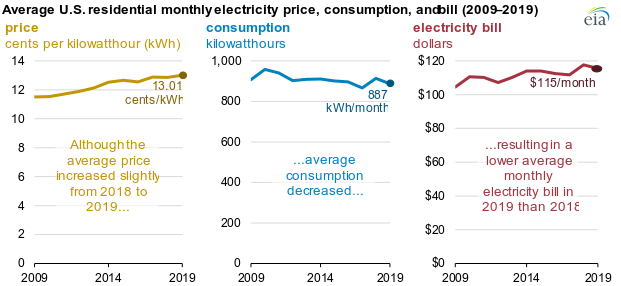
In 2019, the average electricity bill in the US was $115 a month, or $1,380 a year, according to the Energy Information Administration. Additionally, R&M Climate Control estimates that a medium-sized, 40-gallon water heater that uses 4.5 kW and is active for two hours a day would cost around $426 a year. When previewing example renewable energy products, we will recall these prices to determine how long it would take to equalize the cost of renewable energy.
We will explore 3 potential solutions for generating energy and their approximate costs: solar water heating, solar energy systems, and wind energy systems. We will also explore a method on utilizing electric energy in the form of electric stoves.
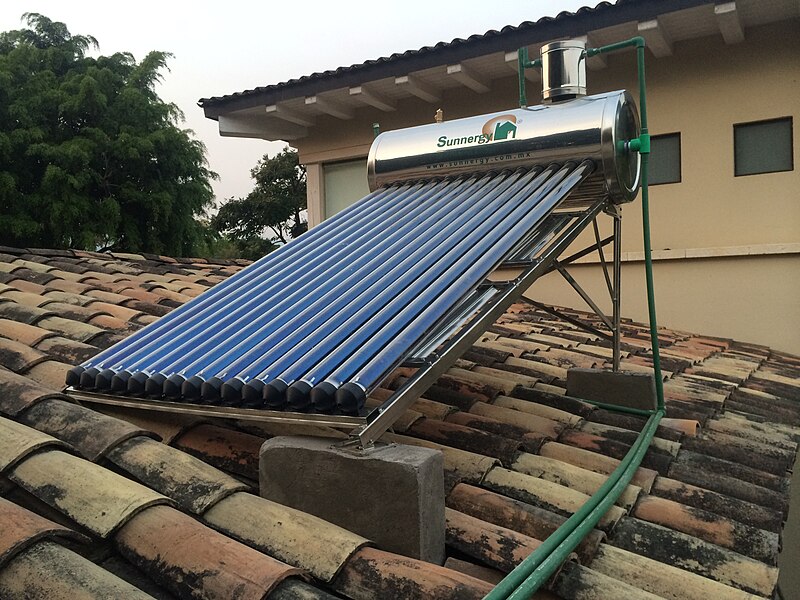
Solar water heaters are one method of utilizing renewable energy. Hot water is essential for hot showers and heating homes. There are two main tyles of solar water heaters: active and passive. Although both systems use solar energy to heat water, active solar water heaters use pumps or other mechanical devices to circulate water, while passive solar water heaters take advantage of the lesser density of hot water to circulate hot water through the home.
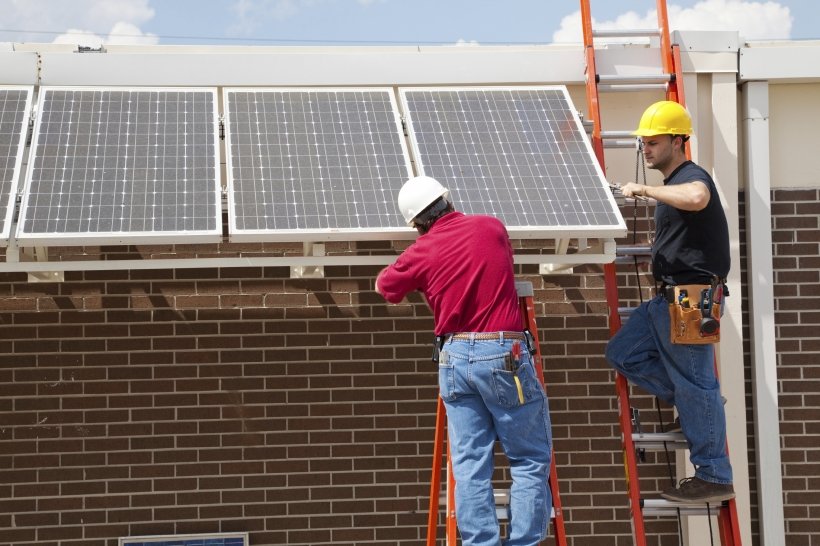
Solar photovoltaic systems are more traditional in approach, as they involve installing regular solar panels to a roof or a nearby surface. Depending on budget and location, any varying amount of solar panels can be installed within reason. The benefit of using solar panels are that they are highly reliable and require little maintenance, according to the Department of Energy. Furthermore, there can be varying levels of efficiency, such as installing tracking devices to orient the solar panels for maximum sunlight capture.
Perchance the most situational solution on this list, wind power needs a consistent breeze to be a reliable source of renewable energy for a home. According to the Department of Energy, a homeowner should have at least one acre of land and live in an area that has an average annual wind speed of at least 10 miles per hour. Furthermore, wind energy systems can be somewhat obstructive, as they tower over typical homes and establishments to achieve a level of efficiency.

Electric Stoves are much better for the enviroment than gas stoves as they can rely on renewable energy such as solar panels and do not release harmful gases and pollutants, according to Sustainable Review. Although they can be more energy intensive, they are ultimately the greener option.

Due to the long times to pay off a renewable energy system, it could be daunting for prospective users to consider renewable energy. However, there are ways to minimize the cost of renewable energy. One prominent way is to reduce energy usage in the house. One other method is to sell excess energy. If a homeowner's renewable energy system generated more energy than was used, they could sell the excess energy to their utility providers and help pay back their renewable energy investments more quickly.
To encourage US citizens in investing in renewable energy, the IRS introduced a tax rebate system to provide credit for any renewable energy investment for a residental home. This tax rebate promises 30% of the "costs of new, qualified clean energy property" for a home installed from 2022-2032.